

Free Intro Edits for DJs That Actually Work
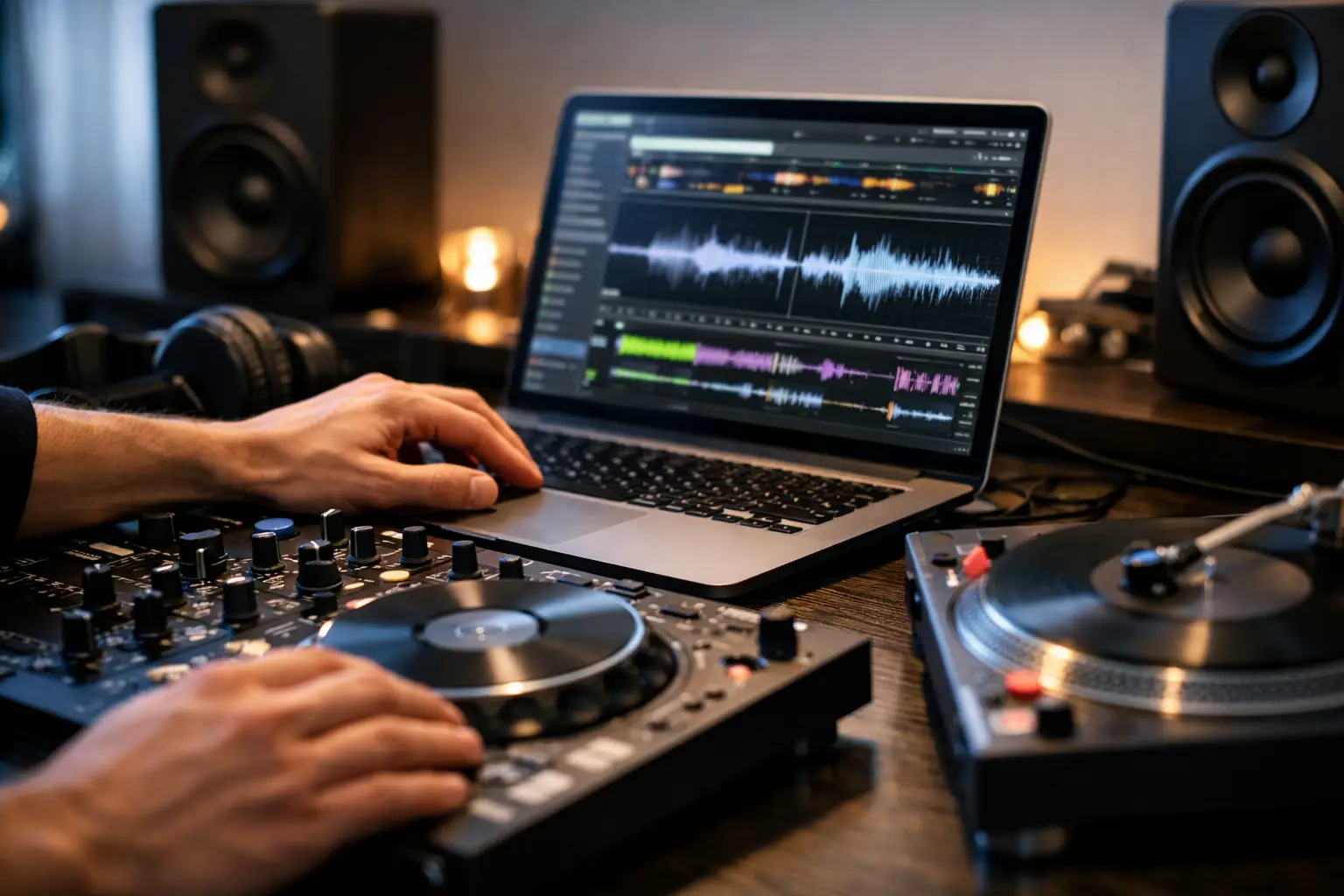
A track can be great in headphones and still be a problem in the mix. That usually shows up in the first 16 bars. If the vocal starts too early, the drums are weak, or the arrangement leaves no runway, free intro edits for DJs stop being a nice extra and start feeling like a necessity.
For working DJs, intro edits are about control. You get a cleaner entry point, more time to phrase your blend, and fewer moments where you are forcing a transition because the original version was built for streaming instead of the floor. That matters whether you are playing open format, house, hip-hop, Latin, or a mobile set where quick recovery and timing are part of the job.
Why free intro edits for DJs matter in real sets
An intro edit gives you usable space before the main elements hit. In most cases, that means extra drums, percussion, or a stripped section that helps you beatmatch and phrase your transition without stepping on a lead vocal or hook too soon.
That sounds simple, but the real value is set management. In a club, you may need 8 or 16 bars to layer energy properly. On radio, you may need a cleaner start to get in and out around drops and talk breaks. At weddings and private events, you may need more margin because requests come fast and genre changes are sharper. An intro edit buys time, and time is one of the few things you cannot fake once a mix is live.
There is also a discovery angle. A lot of newer releases are arranged for listener retention, not DJ usability. Hooks appear quickly. Vocals stack early. Drums may not even arrive in a way that helps cueing. A solid intro edit turns that same record into something crate-ready.
What makes an intro edit usable instead of just longer
Not every intro edit is worth loading into your library. Some edits add bars without improving the transition. Others tack on a loop that feels disconnected from the song, which can make the mix sound forced.
A usable intro edit keeps the record’s identity intact while making the entry easier to work with. The drums should feel natural for the track. The phrasing should make sense. The energy curve should still lead into the song instead of making the opening feel like a separate remix.
For open-format DJs, this usually means a punchy, recognizable rhythm bed that lets you move from one genre pocket to another without the floor hearing a weird detour. For dance DJs, it often means a tighter groove structure and enough clean bars to bring in the next record without fighting melodic clutter. For hip-hop and crossover sets, the best intro edits preserve the impact of the vocal while giving you a proper runway.
The other big factor is audio quality. Free does not help if the file is thin, clipped, mislabeled, or inconsistent with the rest of your crate. A bad edit costs more time than it saves.
Where free intro edits fit in a modern DJ crate
Intro edits are not a replacement for originals, extended mixes, or acapellas. They sit beside them. The smart move is to treat them as one tool in a broader set of playable versions.
If you are building for flexibility, an intro edit covers the moment when you need a fast, clean blend. An extended mix is better when you want to ride a groove longer. A radio or original version may still be the one you use for peak recognition if the arrangement already works. Clean and dirty versions matter for venue type. Acapellas help with layering and custom transitions.
That is why organized pools and promo platforms matter more than random file hunting. DJs do not just need tracks. They need the right version of the track, tagged well, with BPM and key data that make the crate practical under pressure. When the catalog is built for working DJs, intro edits stop being occasional finds and become part of a reliable workflow.
How to evaluate free intro edits before you play out
The first test is phrasing. Load the track and count the bars into the first major section. If the edit gives you room to mix but still lands the drop or vocal at a natural point, that is a good sign. If it feels stitched together or drifts from the song’s internal logic, leave it alone.
The second test is energy transfer. Bring it in against a record you already trust. Does the intro support the handoff, or does it flatten momentum? Some edits are technically easier to mix but weaker in impact. That trade-off is not always worth it in a peak-hour slot.
The third test is crowd recognition. Especially in open format, the intro cannot over-delay the moment people know the record unless that tension helps the room. Too much runway can kill the immediate reaction. Too little runway can box you in. It depends on the track and the room.
Finally, check your metadata. BPM, key, clean or dirty label, and version naming should be obvious at a glance. If you have to guess which intro edit is which, the problem is not just the file. It is the workflow.
The trade-offs with free intro edits for DJs
Free is useful, but it is not automatic value. Some free intro edits are excellent because they come through promo ecosystems built around DJ feedback and real-world usage. Others are low-effort repackaging that adds length without adding function.
There is also the issue of consistency. If you are pulling intro edits from scattered sources, volume levels, file quality, and naming conventions can vary wildly. That makes crate prep slower. It also increases the chance that two tracks with similar tags will behave very differently in the mix.
For artists and labels, there is a separate trade-off. Giving DJs an intro edit can increase playability and support, but the edit has to reflect the release properly. If the intro changes the feel too much, DJs may play it, but listeners may not connect that floor experience back to the original record in the same way. The best promo versions respect both sides: DJ utility and artist identity.
Why artists and labels should care about intro edits
DJs are more likely to test a record when the version is immediately playable. That does not mean every release needs five variations, but it does mean format matters. A strong song can get skipped if the available version is awkward to mix in a live setting.
An intro edit lowers that barrier. It gives working DJs a way to fit the track into active sets without doing custom prep themselves. For artists and labels pushing new music, that can mean more downloads, more actual play support, and better feedback from DJs who are judging the record in the context that matters most - in front of people.
This is one reason DJ-focused platforms have staying power. They create a lane where releases are not just uploaded but presented in versions DJs can use. That is a different value than broad consumer distribution. One speaks to listening. The other speaks to playability.
What DJs should prioritize when downloading intro edits
Start with genres and versions that match your workload. If you play open format every weekend, focus on high-recognition tracks with crate-ready intros and clear clean or dirty labeling. If you play dance music, prioritize edits with strong groove alignment, reliable phrasing, and enough room for layering.
Then think about repeat use. The best intro edits are not one-night saves. They become part of your regular rotation because they reduce friction every time you reach for them. That is especially true when they come from a catalog built around working DJs, where the files are organized for speed instead of buried under vague version names.
A platform like GreenHitz makes that easier because the music is already packaged for DJ use, with genre sorting and practical version types that fit real sets. That kind of structure matters when you are moving fast and cannot afford to audition every file from scratch.
Free intro edits are not about getting more music for less. They are about getting more usable records into your crate. The right edit gives you cleaner transitions, better timing, and more confidence when the room is moving and the next blend has to land.


