

How DJ Record Pools Work for Working DJs
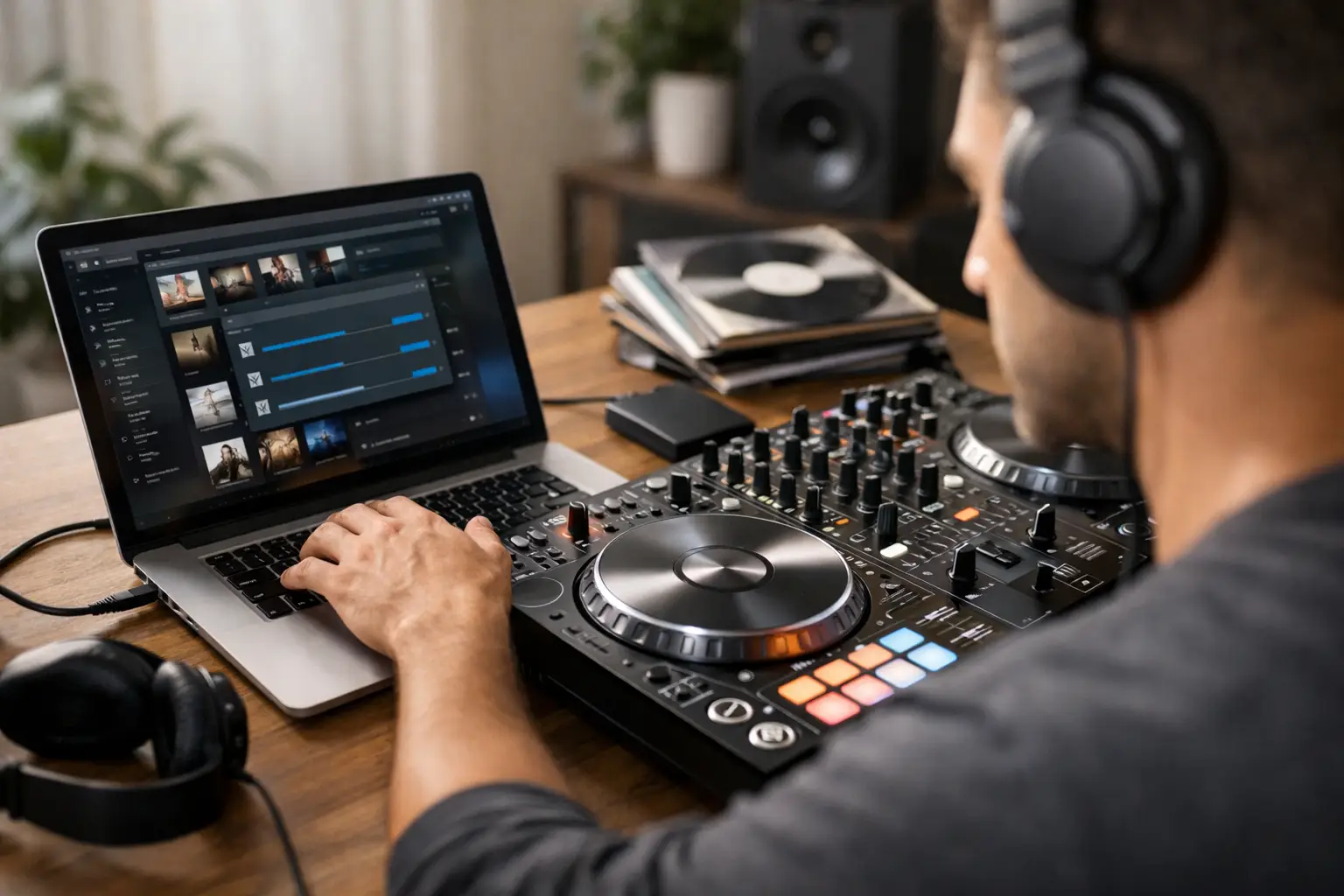
A track can sound great in the studio and still miss the dancefloor if the right DJs never receive it. That gap is exactly why DJ record pools exist. Understanding how DJ record pools work helps DJs build better crates and gives artists and labels a direct path to the people who can actually test a record in clubs, on radio, at events, and in open-format sets.
A record pool is not consumer streaming. It is a music service built around DJ use. The goal is simple: give working DJs organized access to new promotional music, while giving artists and labels a focused way to get their releases heard, downloaded, rated, and played.
How DJ Record Pools Work Behind the Scenes
At the most basic level, a record pool connects music providers with DJs. Artists, labels, and promotion teams submit new releases to the pool. DJs log in, browse by genre or release type, preview tracks, and download files they can use in their sets.
The value is in the workflow. DJs are not hunting through scattered inbox attachments, low-quality audio, or consumer platforms that do not provide useful versions. A solid pool organizes music into searchable categories and supplies files that are ready to move from download folder to DJ software.
For artists and labels, the pool creates a controlled promotional environment. Instead of sending a release to a broad, unqualified list and hoping for attention, they place music in front of DJs who are actively looking for new material to play out. The strongest platforms also capture engagement data, so promotion is not just a guessing game.
That does not mean every download equals a club play. DJs may download a track for later, test it in a mix, use an intro edit for a mobile event, or decide it does not fit their audience. Good record pool promotion is about getting a legitimate shot at DJ consideration, then using the response to make smarter release decisions.
The DJ Side: Finding Crate-Ready Music Faster
For a working DJ, time is the real currency. You need fresh tracks, but you also need to know what will work in your rooms. A record pool shortens that process by putting promotional releases in one place and making them easier to evaluate.
Most DJs start by filtering for their sound. An open-format DJ may move between hip-hop, Latin, pop remixes, dance, and trap. A club selector may focus on house, techno, drum & bass, or EDM. Genre organization matters because a huge catalog is only useful if you can quickly find records that belong in your next set.
Then comes the prep. DJ-ready files often include BPM and key data, along with versions designed for performance. A clean version is essential for radio, corporate events, and mixed-age crowds. A dirty version may be the right call for an adult club set. Intro versions give DJs more room to blend, extended mixes support longer transitions, and acapellas can create live mashups or custom edits.
This is why pools are more useful than simply finding a song online. DJs need playable utility, not just a track title. Before downloading, check audio quality, verify the version label, and make sure the metadata lands correctly in your DJ software. Even a great record becomes a problem when its file is mislabeled, clipped, or missing a usable intro.
Downloads Are the Start, Not the Finish
The best DJs do not treat a record pool like an endless download bin. They curate. Preview records with your current sets in mind, pull the tracks that match your crowd, and test them before a major booking when possible.
A fresh release can be a weapon, but only if it fits the energy of the room. Early access is valuable for staying ahead of oversaturation, especially in genres where audiences quickly recognize the same viral tracks. Still, new is not automatically better. A pool works best when you use it to discover records that serve your sound rather than chasing every new upload.
The Artist and Label Side: Music Promotion With a Feedback Loop
For artists and labels, a record pool is a DJ promotion channel. You upload a release, present it with the correct information, and make it available to a community of DJs. Depending on the platform and campaign level, that release may also receive promoted placement or be included in direct DJ email marketing.
The release package matters. Provide a clean master, accurate artist and track credits, genre tags, and useful DJ versions where available. If a record has a radio edit, club mix, instrumental, clean edit, or acapella, label each one clearly. Confusion costs downloads, and DJs will usually move on rather than spend time figuring out which file they need.
Artwork and a concise release description also help, but do not overcomplicate the pitch. DJs want to know the genre, the mood, the usable versions, and where the record fits. “Peak-time house with an extended intro” tells a club DJ more than vague hype ever will.
Once the record is live, campaign data can show whether DJs are engaging. Downloads indicate interest. Likes and ratings can suggest early support. Written feedback may reveal how DJs plan to use the record, whether the arrangement works for mixing, or whether the track is connecting with a specific type of crowd.
These metrics are directional, not a final verdict on the music. A niche techno track may generate fewer downloads than a broad open-format record and still perform very well with the DJs it was made for. Likewise, a high download count is encouraging, but it is not proof of spins, sales, or streaming growth. Read the data in context: genre, audience, release timing, and campaign visibility all affect the result.
What Separates a Record Pool From Music Distribution
Music distribution and DJ promotion solve different problems. Distribution sends music to consumer-facing stores and streaming services. DJ record pools put promotional music in front of DJs who need downloadable files for professional use.
An artist can distribute a release widely and still receive little DJ support. They can also promote to DJs without building a complete consumer release strategy. In most cases, the strongest rollout uses both: distribution for public availability and a record pool for targeted DJ discovery.
There is also a rights consideration. Pools should only host music submitted or authorized by the artist, label, or rights holder. For DJs, a pool download is promotional music intended for DJ use under the platform's terms. It is not a license to re-upload, resell, or redistribute the files.
Choosing the Right Pool for Your Goal
Not every pool serves the same scene. Some lean heavily into one genre, while others support broad open-format programming. Before joining as a DJ or launching a promotion campaign as an artist, look at the community and the music format.
For DJs, ask whether the catalog matches the rooms you work. A wedding DJ may prioritize clean edits and current crossover music. A late-night club DJ may need extended versions, underground releases, and tools for longer blends. A radio DJ may care most about clean files, early singles, and reliable metadata.
For artists and labels, the key question is whether the DJ base is relevant. A focused group of working DJs is more useful than passive exposure to people who do not download, program, or play music publicly. Look for tools that make engagement visible, including downloads, ratings, likes, and direct feedback.
GreenHitz operates in that lane by combining crate-ready promotional downloads for DJs with upload, promoted placement, email, and feedback tools for artists and labels. The point is practical access on both sides: DJs get music they can work with, and releases get in front of people positioned to use them.
How to Get Better Results From a Record Pool
DJs get more value when they build a regular routine. Check new releases before weekend gigs, preview with purpose, and organize downloads into crates by energy, genre, event type, or set time. Rate the records you genuinely support. Feedback helps artists, but it also makes the pool a more useful source of music for your scene.
Artists and labels get better results when they treat DJ promotion as a campaign rather than a file upload. Release the strongest version package possible, target the right genre audience, and give DJs a clear reason to listen. If feedback says the hook works but the intro is hard to mix, that is useful information for the next edit or release.
The real advantage of a DJ record pool is not volume. It is relevance. Put the right record in front of the right working DJ, make it easy to play, and let the reaction from real sets guide what happens next.


