

Best DJ Pool With BPM and Key Data
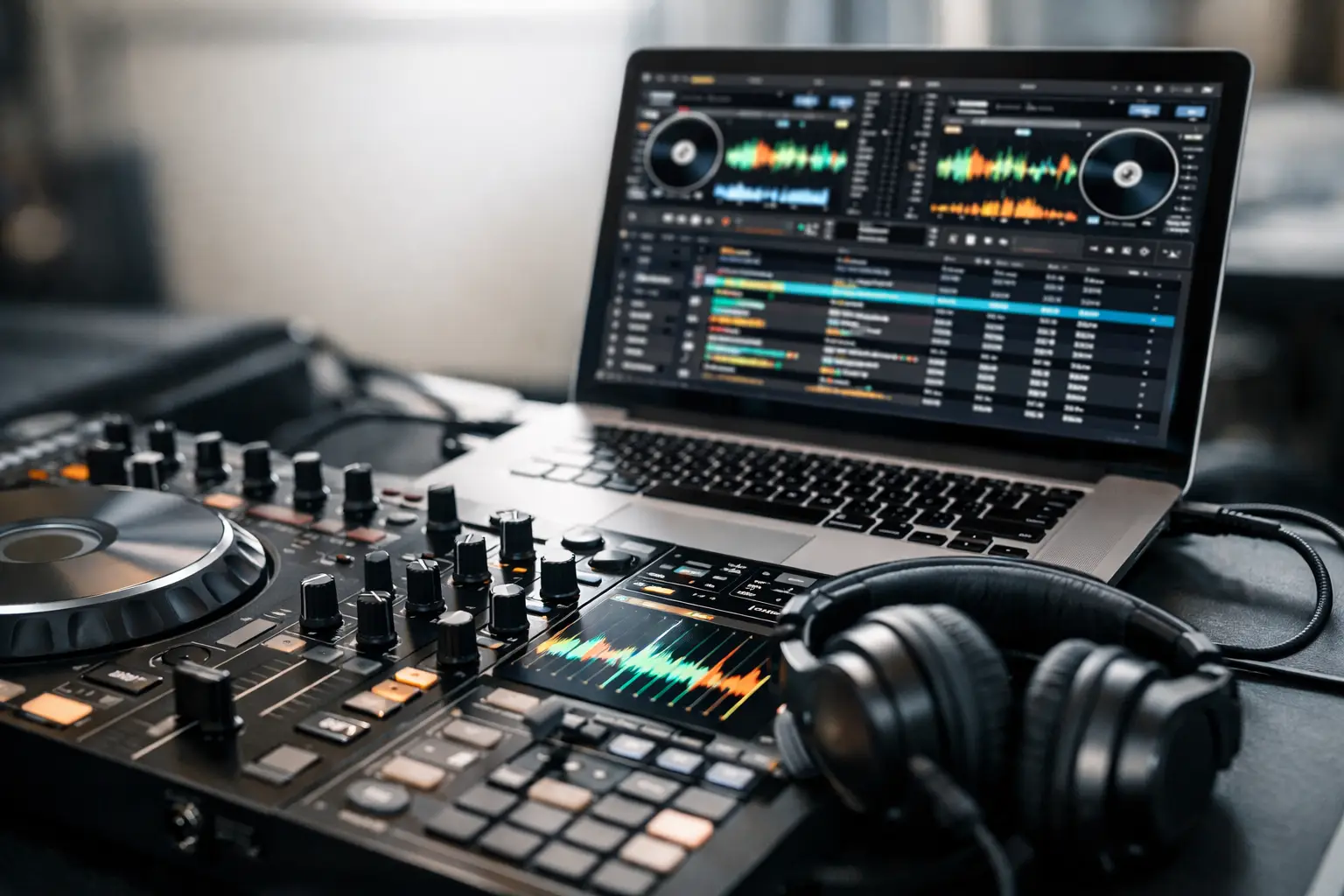
If you have ever downloaded a hot promo, dropped it into your library, and then spent ten extra minutes fixing tags before it was ready for a set, you already know why a dj pool with bpm and key matters. Working DJs do not need more clutter. They need crate-ready music that can be searched, sorted, and played out fast.
For DJs, BPM and key data are not nice extras. They are workflow tools. For artists and labels, they are part of what makes a release usable in the real world. A track that lands in a DJ pool fully tagged has a better shot at getting downloaded, tested, and worked into live sets. That is the gap between promo that gets seen and promo that gets played.
What makes a dj pool with bpm and key worth using
A solid pool does more than host files. It helps DJs move from discovery to set prep without friction. That means searchable metadata, reliable audio quality, and versions that fit how DJs actually perform - intro edits, clean versions, dirty versions, extended cuts, instrumentals, and acapellas when available.
BPM is the first filter for a lot of DJs because it gets you into the right tempo range fast. If you are building an open-format run, planning a house set, or moving between hip-hop and Latin, tempo is the fastest way to narrow the field. Key matters when you want cleaner blends, smoother transitions, or just a more musical arc across a mix. Not every DJ mixes harmonically every night, but having that data on hand gives you options.
The best pools do not force you to choose between speed and depth. You should be able to browse by genre, search by track title or artist, and still sort around technical details that matter in the booth. That is especially true for DJs handling multiple gigs a week, radio mixes, or client sets where prep time is limited.
Why BPM and key tagging changes DJ workflow
When metadata is dialed in, crate digging gets sharper. You are not opening each file to figure out where it sits. You are making decisions earlier - which tracks fit the room, which tracks can transition cleanly, and which edits are worth testing before the weekend.
This matters even more when your library is growing fast. A DJ downloading new music across house, techno, hip-hop, trap, drum & bass, Latin, and EDM cannot afford to clean up every tag manually. A pool that gives you BPM and key at the point of discovery cuts down on repetitive prep and keeps your focus on programming.
There is also a quality control angle. Auto-detection inside DJ software can be useful, but it is not always perfect. BPM can drift on certain tracks. Key analysis can vary depending on the software and the version of the song. When a pool is organized around DJ usage, metadata tends to be more useful because the platform understands how tracks are consumed in sets, not just stored in a generic music database.
That said, it depends on your style. If you are a scratch DJ, a wedding DJ covering broad eras, or a radio DJ moving quickly through short segments, key may not drive every decision. But even then, BPM still helps with prep, and searchable versions still save time.
What DJs should look for in a dj pool with bpm and key
Start with the obvious question: is the catalog actually built for working DJs, or is it just a pile of uploads? Those are two different things. A usable pool has structure. Genres make sense. Version labeling is clear. Search returns the right tracks. Metadata is present before download, not buried after the fact.
Audio quality matters just as much. Crate-ready means files you can trust in a club, on radio, or at a private event without wondering whether they are thin, clipped, or inconsistently mastered. The same goes for edit availability. If a record pool only offers one version of every track, it limits how DJs can use the music. Clean edits, intro edits, and extended versions are not luxury features. They are practical tools.
Freshness matters too. DJs join pools to get early access and stay ahead of oversaturation. A catalog with strong tagging but stale music will not help much. On the other hand, a constantly updated pool that is poorly tagged turns every session into manual labor. The sweet spot is current music with metadata that supports fast decision-making.
For open-format DJs, range is a major factor. A pool can be excellent for a niche genre and still be the wrong fit if your week moves from nightlife to corporate to radio. For genre-specific selectors, depth inside one lane may matter more than broad coverage. There is no universal answer. The right pool matches how you actually work.
Why artists and labels should care about BPM and key
From the promo side, metadata is part of the pitch. DJs are much more likely to test a release when it is easy to place in a set. If your track is uploaded with clean formatting, accurate BPM, clear key data, and multiple DJ-ready versions, you remove guesswork. That can directly improve downloads, ratings, and feedback.
This is where a platform built around real DJ behavior has an edge. Artists and labels do not just need exposure. They need qualified exposure. A release sitting in front of working DJs with useful tags has more practical value than broad visibility with no context. When DJs can quickly hear where a track fits, the chances of actual play support go up.
Promoters should also think about measurement. It is one thing to distribute a record. It is another to see which DJs downloaded it, how they rated it, and what kind of feedback came back. Metadata helps the front end of discovery, while analytics help you understand the back end of response. Both matter if you are serious about promotion.
Common trade-offs when choosing a pool
Not every dj pool with bpm and key delivers the same kind of value. Some pools are broad and commercial but light on underground depth. Others are strong in dance music but less useful for open-format rooms. Some are packed with edits, while others focus on promo delivery and discovery.
There is also a difference between quantity and curation. A huge library sounds good until search results feel noisy. Tight curation can save time, but if it is too narrow, you may miss records you need. DJs who play out often usually want a balance - enough volume to stay fresh, enough organization to stay efficient.
For artists, reach versus relevance is a real trade-off. Bigger audiences are attractive, but a smaller group of active DJs can be more valuable than a larger list of passive users. If the goal is real-world support, the quality of the DJ community matters as much as the upload process.
Where a platform like GreenHitz fits
GreenHitz works because it is built around both sides of the equation. DJs get free access to crate-ready promotional music across key club and open-format genres, with practical versioning and tagging that supports faster discovery. Artists and labels get a direct line to working DJs, plus promoted placement options, email blasts, and feedback analytics that show how releases are landing.
That two-sided setup matters. DJs are not just browsing random files. They are moving through organized music built for play. Artists are not just posting and hoping. They are getting their records in front of a community that downloads, rates, and responds. When BPM and key data are part of that experience, the platform becomes more usable for DJs and more effective for promotion teams.
The real question is speed to play
A lot of DJs ask which pool has the most music. A better question is which pool gets tracks from discovery to the booth the fastest. That is where BPM and key stop being minor features and start becoming part of the product itself.
If you are a DJ, look for a pool that respects your time and gives you music that is already organized for real sets. If you are an artist or label, think about whether your promo package is making life easier for the DJs you want to reach. The records that move fastest are usually the ones that arrive ready.
The best platform is not the one with the longest feature list. It is the one that helps good music get found, downloaded, and played while the record still feels fresh.


